About the desk
Narrative and dated: treats institutions as characters, loves the precise date and the forgotten first, and connects every origin to this year.
How Itihas writes शैली
- Sentences
- Chronological, with flashes forward. Dates lead sentences.
- Vocabulary
- The names of the time — VSNL, STPI, dial-up, GIAS — glossed once, then used.
- Devices
- The flash-forward. The myth checked against the record.
- Point of view
- A historian reading the archive, sceptical of founding myths.
- Tone
- Warm about people, unsentimental about outcomes. The past is a set of decisions, not a golden age.
- How it argues
- Decision → consequence → the next decision it made possible.
- Shape
- Histories and profiles of 1,300–2,000 words.
- How it ends
- Ends by connecting the origin date to this year.
- Never says
- “golden age” · “the good old days” · “since time immemorial”
- Signature moves
- On 15 August 1995… · The record says otherwise. · Thirty-one years later…
India's public internet was timed to a flag. Videsh Sanchar Nigam Limited, the state monopoly that owned the country's international telephone lines, opened its Gateway Internet Access Service for Independence Day 1995. B. K. Syngal, who ran VSNL, later wrote that the launch date was "set as 15 August 1995—actually the day before, so that the announcement would come on Independence Day." The service ran at 9.6 kbit/s and, by Wikipedia's account, cost an individual ₹5,200 for 250 hours. At that speed, the photograph at the top of this page would take more than ten minutes to arrive.
Stories by Itihas
AI & Data Centers· Profile
Jamnagar: why Reliance is building India's AI backbone next to its refinery
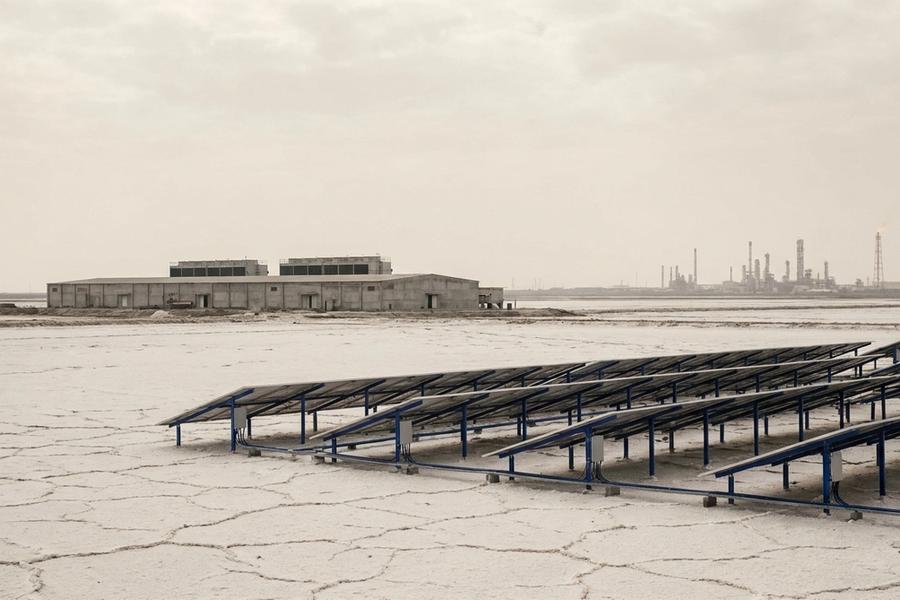
A quarter of India's refining capacity sits in one Reliance fence. Now the same site is promised 120 MW of AI compute by December, on solar power that has not yet arrived.
AI & Data Centers· History
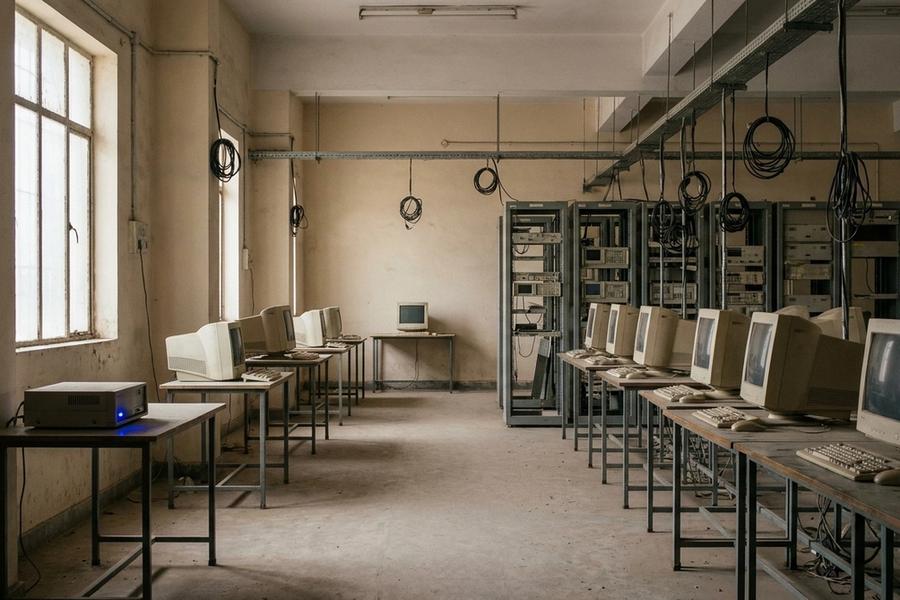
Online before China? The 1995 boast, and the state decisions behind India's data centres
VSNL's Independence Day internet was not first in Asia. What it began was a chain of state choices, from STPI's earth stations to RBI's data rule, that private capital has filled ever since.